Why Lawrence Basements Face Unique Waterproofing Challenges
Homes in Lawrence sit on some of the most challenging soil in Kansas. Much of the area lies within the Kansas River floodplain, where expansive clay soils swell when wet and shrink when dry. That constant movement puts enormous pressure on foundation walls, and when heavy spring rains saturate the ground, hydrostatic pressure pushes water through even hairline cracks. If you have noticed dampness, efflorescence, or a musty smell in your basement, you are not alone. Many homeowners in this region discover they need Basement Waterproofing after their first wet season in a new home.
The floodplain clay foundation is a key factor in choosing a waterproofing strategy. Clay drains slowly, so water lingers against the foundation far longer than it would in sandy soil. That means any waterproofing system you choose must manage sustained moisture, not just a quick downpour. Understanding how interior and exterior methods handle this specific condition is the first step toward making a smart decision for your home and your budget.
How Interior Waterproofing Works: Drain Tile and Sump Systems
An Interior Drain Tile System is installed along the inside perimeter of your basement footing. Weep holes are drilled in the block or poured wall to relieve trapped water, and a perforated drain tile collects it and directs it to a sump pump that moves water away from the home. This approach is popular because it can be installed without excavating your yard, it works year round, and it is generally more affordable than exterior excavation. It also protects the livable space inside your basement, which matters if you plan to finish the area.
Interior systems excel at managing water that has already entered the foundation wall. However, they do not stop water from pressing against the outside of the wall, so the clay soil still exerts pressure. For many Lawrence homes, an interior drain tile system paired with a quality sump pump and vapor barrier is a complete solution. It is especially effective for finished basements where keeping the interior dry is the top priority. If you are unsure whether your home is a good candidate, a professional assessment can clarify your options.
How Exterior Waterproofing Works: Membranes and Footing Drains
Exterior Basement Waterproofing tackles the problem from the outside. The process involves excavating soil down to the footing, applying a waterproof membrane or coating to the foundation wall, installing exterior drain tile, and backfilling with gravel and soil that shed water away from the home. This method stops water before it ever reaches the wall, which makes it the gold standard for keeping a foundation dry from the source. For homes with severe leaks, bowing walls, or persistent flooding, exterior work often provides the most durable long term result.
The tradeoff is cost and disruption. Exterior excavation is labor intensive, requires heavy equipment, and can disturb landscaping, driveways, and sidewalks. In Lawrence, where mature trees and established yards are common, homeowners sometimes hesitate to commit to a full exterior dig. Still, when the goal is true Foundation Waterproofing that addresses both water and soil pressure, exterior membranes and footing drains remain the most thorough option available.
Drain Tile vs Exterior Membrane: A Side by Side Waterproofing Comparison
When comparing drain tile vs exterior membrane, the right answer depends on your home's condition, your goals, and your budget. Interior drain tile is less invasive, faster to install, and typically costs less. It manages water that reaches the interior and keeps the basement usable. Exterior membranes, by contrast, prevent water from entering the wall in the first place and also relieve the soil pressure that causes cracks and bowing. Neither method is universally better; they solve different parts of the same problem.
A thorough waterproofing comparison should also weigh longevity and maintenance. Interior systems rely on a sump pump, which needs occasional service and a backup power source during storms. Exterior systems have fewer mechanical parts but require significant excavation and are harder to inspect later. Many homeowners in the region choose a hybrid approach, combining interior drainage with exterior grading and downspout improvements. The best way to decide is an on site evaluation that accounts for your soil, your foundation type, and how you use your basement. You can request a free estimate to get a clear recommendation for your property.
Basement Waterproofing Cost in Lawrence: What to Budget
Homeowners often ask what waterproofing will cost before choosing a method. Interior drain tile systems generally fall on the lower end of the range because they require less excavation and labor. Exterior membrane systems cost more due to digging, materials, and restoration of landscaping. Factors like basement size, foundation type, sump pump selection, and accessibility all affect the final figure. Because every home is different, a firm number requires an inspection rather than a phone guess.
It helps to think of waterproofing as an investment in your home's value and structural health. Ignoring basement moisture can lead to mold, damaged drywall, and costly foundation repairs down the road. For transparent pricing and a detailed breakdown of your options, reach out to Lawrence Waterproofing at (785) 371-2644. We serve homeowners throughout the area, including Eudora and Baldwin City, and we are happy to explain what each approach involves before you commit.
Basement Waterproofing Near Me: When to Call a Professional
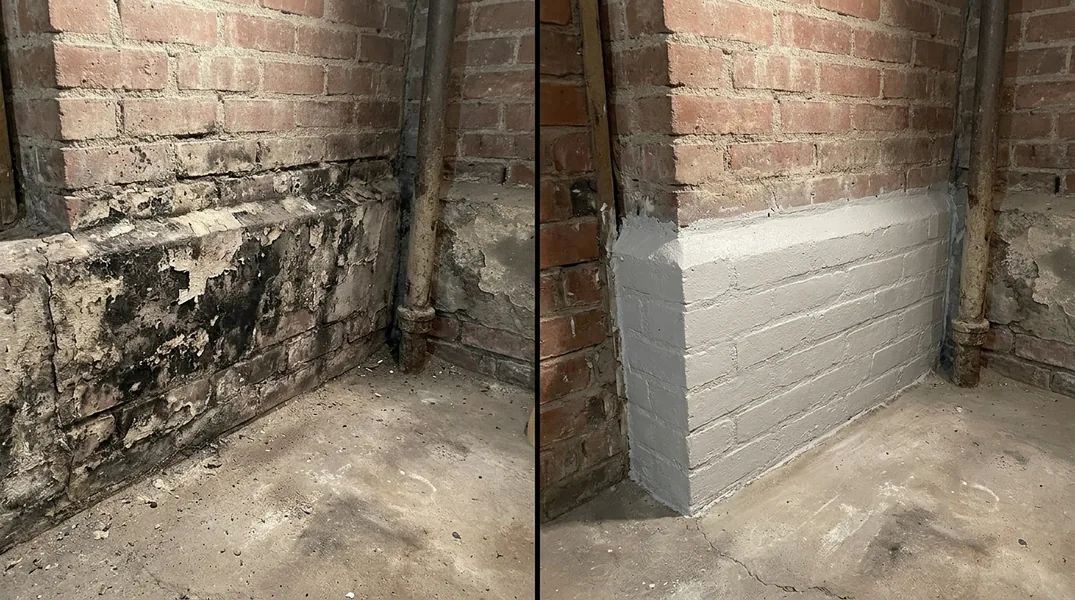
Some homeowners try to manage basement moisture with paint on sealers or temporary patches, but these rarely solve the underlying problem in clay soil. If you see water seeping through cracks, white powdery deposits on the walls, or notice that your sump pump runs constantly after rain, it is time to bring in a professional. Persistent dampness and musty odors are signs that water is finding a path into your foundation, and delaying repairs usually makes them more expensive.
A local waterproofing contractor understands the specific soil and weather patterns of the area, which matters when deciding between interior and exterior solutions. Lawrence Waterproofing can evaluate your foundation, explain the pros and cons of each method, and recommend a plan that fits your home and budget. Whether you are in Tonganoxie or closer to town, the first step is a conversation. Call (785) 371-2644 or visit our website to schedule a free estimate and protect your basement before the next rainy season.
Looking for a professional basement waterproofing contractor in Lawrence? Lawrence Waterproofing responds fast for all your basement waterproofing needs.
Get a Free QuoteOur services: Basement Waterproofing · Interior Drain Tile System · Exterior Basement Waterproofing